Advice for Writing and Living

I’m home from the Midwest Writers Workshop, where the keynote speaker, mystery writer Hank Phillippi Ryan, shared “What I wish someone would have told me.”

By Kartikay Sahay via Flickr Creative Commons

By Kartikay Sahay via Flickr Creative Commons

The advice was writing-related, from how to deal with solitude (“You write alone, but you are not alone”) to the inevitability of self-doubt (“Before you burn your manuscript, make a copy.”) Still, I was struck by how much of her guidance also applies to those of us invested in the critical work of remaking the world.

First up: mention was made of the classic Bird by Bird by Anne Lamott. In which Anne’s brother, in grade school, waits to begin a report till the night before it is due. The topic? Birds of North America.

Not surprisingly, he comes nearly unglued in panic. Their father, a writer, counsels him, “Just take it bird by bird, buddy. Bird by bird.”

Then there’s this:

“What would you attempt to do if you knew you could not fail? Do that. Be brave.”

And finally, the need to be happy, to love what you are doing, and to enjoy the place where you find yourself. “This race goes to the stubborn and bullheaded, but it’s also wise to have a good time.”

I was planning to discourse on how these nuggets inform the life of a hopeful thrivalist, but my brain is pretty much a mashed potato right now. So how about this instead:

Discuss.

Building Resilience One Vertical Garden at a Time

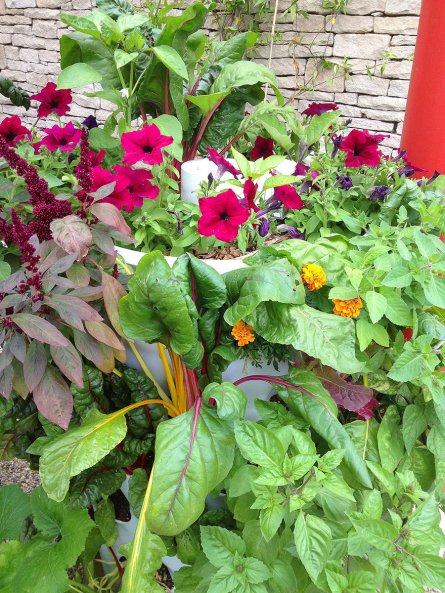
At FoodCon I met two of the people behind the innovative Bloomington-based Garden Tower Project. Check out their garden-in-a-barrel design with built-in worm composting. Up to 50 plants can be planted in this unique vertical garden.

Garden Tower on Planting Day

Garden Tower on Planting Day

The center tube is perforated down the entire length, allowing red wiggler worms to travel between the compost tube and the soil. Kitchen waste goes into the center tube and turns into compost and worm castings. Bonus: The protection of the soil in the barrel means the worms can survive through the winter.

How genius is that–worm composting right in your container garden?
Finished compost, with happy worms

Finished compost, with happy worms

From the website:

“In an era of rapidly rising food prices and industrial farming practices that strip our food of nutrients essential for good health, we believe the Garden Tower is one small step in empowering people towards their own food security.”
The company hopes to nurture a community of growers. They’ll soon launch GrowingCircles.org as a space for networking and collaboration among those with an interest in the Garden Tower Project’s mission. The goal is expanding food self-sufficiency, promoting homegrown vegetables and herbs that are:
  • organic
  • non-GMO
  • low-input
  • ecologically sustainable

Tom Tlusty tells me that the Garden Tower’s unique design capitalizes on “evaporative cooling and a large thermal mass”–making it possible to plant in hot temperatures normally prohibitive in a traditional garden plot.

So… it’s not too late to start gardening this season!

Top view of the Garden Tower.

Top view of the Garden Tower.

I’m so excited about this design that I ordered my own Garden Tower, and I’m picking it up from the Good Earth later today. I’m psyched to sow some crops I didn’t have room for, like beans and carrots. I’ll also scour local garden centers for leftover seedlings (probably quite sad and stressed by now, but maybe a little TLC would bring them along).

It’s nearly time to start fall crops, like kale, lettuce, peas, and spinach. That’s something I always intend to do and never seem to manage in the thick of late summer. But this is the year, with my sweet new protected microclimate as incentive.

Plus I’ll finally have livestock on my homestead, if only in the form of worms. I’m in heaven!

Time to harvest from the Garden Tower

Time to harvest from the Garden Tower

The only drawback I can see is the need for potting soil to ensure that the growing medium is not compacted in the barrel. I hate buying bagged soil for so many reasons. I’ve seen recipes for homemade potting soil. But being eager to jump in, I probably will break down and purchase. (If you’ve found a good peat-free variety available on the market, please leave it in the comments.)

The inventors believe their design will allow people of all abilities to garden in any clime. According to Garden Tower users in the arid Grand Canyon region, this model results in immense water savings. Tom says they used ten times less water with the Garden Tower than their traditional plot or raised bed.

Really can’t wait to dig in!

All photos courtesy of The Garden Tower Project.

Why Forage?

Trout lily was one of the first wild plants I learned to harvest from the greenspace across the street from my house. There’s a thriving colony that appears in a rough circle at the base of a redbud tree for a month or so before fading back into the earth as ephemerals do.

By Jason Hollinger (Dimpled Trout Lily  Uploaded by Amada44), via Wikimedia Commons

By Jason Hollinger (Dimpled Trout Lily Uploaded by Amada44), via Wikimedia Commons

Sometimes I feel quite fringy bending down in early spring to pick the tender leaves before moving on to check the basswood tree and other faves. Even in my groovy neighborhood, it’s somewhat marginal behavior to pick salad leaves off the ground in a public space.

Then I read something like this:

“Some people think that it’s silly to go for an invigorating walk on a May morning and come home with a lush heap of delicious gourmet vegetables when it would only take slightly longer to drive to the grocery store and spend hard-earned cash to get weeks-old inferior produce with half the nutritional value, doused with deadly chemicals.

I see their point, but I’m sticking with wild food just because it’s a lot more fun.”

–Samuel Thayer, in Nature’s Garden: A Guide to Identifying, Harvesting, and Preparing Edible Wild Plants

Reading on, I find that not only trout lily leaves but bulbs are edible–and are in fact tastier than the leaves.

Hello shovel, goodbye self-consciousness. (I would make sure not to decimate the colony of course. Thayer says responsible harvest practices allow trout lily colonies to thrive.)

What about you: What’s your favorite gourmet wild vegetable to forage, or have you tried any yet?

Midwest’s First Community Supported Fishery

Many of us concerned about the impact of our food dollars support small farmers through Community Supported Agriculture and farmers markets. Now the Midwest’s first Community Supported Fishery gives those of us far from a coast an option in the seafood arena.

I learned about Sitka Salmon Shares at FoodCon. It’s an operation bringing sustainable seafood to the heartland on a direct-to-consumer model—similar to Community Supported Agriculture.

Anyone in a landlocked area who wants to buy local has a hard time with fish.* Especially when, as in Indiana’s case, the majority of our waterways are tainted with mercury due to coal plants.

Sitka Salmon Shares has a crew of independent, small boat family fishermen and -women who catch Alaskan salmon, halibut and cod with low-impact methods. The flash-frozen fish lands on the dinner tables of Midwesterners hungry for a protein source that’s healthy, delicious, and sustainably harvested.

Fishing Boats in Metlakatla, Alaska, ca. 1856 - 1936. National Archives and Records Administration.

Fishing Boats in Metlakatla, Alaska, ca. 1856 – 1936. National Archives and Records Administration.

From the website:

“In this day and age, we face a large industrial food system that too often puts profit ahead of people, communities, and the environment … in the process quickly replacing small family producers with huge companies and multinational corporations. It’s hard to feel good about eating food from such a system.”

And how. But here’s an alternative.

Sitka returns 1% of revenue to fisheries conservation. It also pays fishermen more than they could earn from big multinational processors. Further, rather than using trawls that result in large amounts of unwanted fish being thrown overboard, Sitka’s fishing families use hook-and-line methods to minimize impacts on unintended species.

These practices sustain ecosystems, fishing communities, and fish populations, while giving customers peace of mind as well.

At FoodCon I picked up a pocket guide from these folks: I love their sustainable seafood commandments for the Midwest. (Among them: Gear types matter. Also: Frozen and canned fish are often better choices.)

Here’s a great interview with Chief Salmon Steward Nic Mink that explains more.

Nic does double duty, serving as Butler University’s Center for Urban Ecology’s Urban Sustainable Foods Fellow.

As an aside, I really think he has two of the best job titles ever.

He will be speaking at the July 16 Irvington Green Hour about his work with the Indy Food Council, building the capacity of sustainable food systems in Indianapolis.

(*Some readers may remember my pledge to try sardines in an effort to eat lower on the food chain. I have yet to crack the tin I purchased. It is on my list. I guess you could say I’m nothing if not deliberate in my food choices. I could deliberate a long time here.)

Postcard from FoodCon

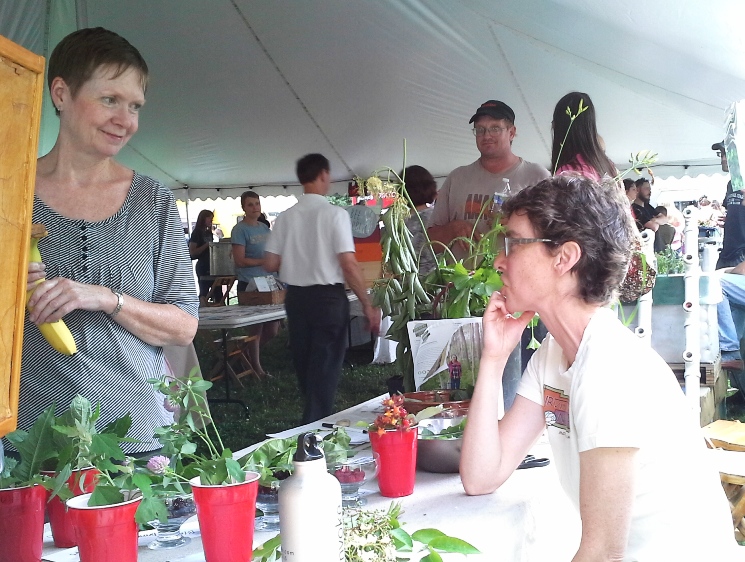
Friday’s FoodCon was a thrill. I haven’t heard the final tally of attendees, but there was a steady stream of bright-eyed folks. I met so many people with interesting stories about foraging (which, as I explained to one non-native English speaker, is like hunting, only for plants).

Swapping foraging stories with a foodcon attendee

Swapping foraging stories with a foodcon attendee

People spoke of making elderberry syrup for winter colds and congestion, of becoming more accustomed to the taste of bitter greens to the point of craving them, and of eating oxalis as kids.

One little girl said she likes to eat clover petals, which brought back my own flower-eating past: My friends and I used to pick the blooms off my dad’s tall phlox and suck the nectar, pretending it was a special elixir.

Most of my exhibit consisted of weeds picked that morning. All are available in the typical urban yard or garden. “If you can’t beat ‘em, eat ‘em,” was my line.

Trees are a source of unexpected nutrition too: Even seasoned foragers were surprised to learn that basswood tree leaves are great in salads.

Trees are a source of unexpected nutrition too: Even seasoned foragers were surprised to learn that basswood tree leaves are great in salads.

I told the uninitiated to start by topping a salad with the tangy, tender oxalis, which is prevalent in urban yards. Then see if, like me, they don’t get completely hooked on picking stuff from their yards to bring in to the dinner table.

Wet tablecloth

My tablecloth got all wet after an early gust of wind blew a few cups over. But it didn’t matter: check that wilty salad!

Japanese wineberries (at the right edge of the above photo) were the star of the show. Though one website calls this bramble fruit a “bio-bully” for being invasive, the berries are dazzling little gems that are sweeter than should be legal. (Last year I learned the identity of this mysterious bramble I’d found just as the buds were forming. I was anticipating some happy picking, then they perished in the drought. This year: bountiful harvest.)

Some were amazed that you can actually eat mulberries, asking incredulously, “What do you do with them?” while others were right there with me on the “nature’s candy” point.

A friend and I had biked around the neighborhood questing for these berries.

A friend and I had biked around the neighborhood questing for these berries.

Things I learned: There’s a “Poke Salad Annie” song, and you can eat milkweed flowers, and four hours of talking makes one hoarse.

The solar cooker got lots of interest too, though generally more as a novelty from what I could gather (my partner Judy fielded most of those questions, bless her).

As far as the other exhibitors, I was able to make a quick circuit late in the evening and talk to the folks from Wolf-Beach Farm, as well as friends at the “dumpster diving/dumpster dining” booth and the “making easy meals in 5 minutes” table. (These were all people I had referred to the organizer.)

I also found a couple standouts in the resilience arena. I’ll report on them in an upcoming post. Some great innovators there, helping people break their dependence on a shaky centralized food system that is wreaking havoc on both planetary and personal health.

Coal: It’s So Yesterday

I confess that when I was asked to write a story about Indiana’s Beyond Coal movement for Indiana Living Green, part of me was a bit ho-hum at the prospect.

Sure, the two ladies leading the fight (Megan Anderson and Jodi Perras, my two profilees) are amazing specimens of fierce feminine energy, each hailing from a different generation, an interesting duo. And of course, I am totally down with clean energy.

It’s just: I’d rather write about yummy stuff, like food, or farming, or foraging. I am drawn to tales of those remaking the world in intriguing, innovative ways. That new emerging story is what energizes me. And sometimes the hard work of calling a halt to the old story seems so…tired.

By Arnold Paul, via Wikimedia Commons

By Arnold Paul, via Wikimedia Commons

I mean, we all know that coal is bad for the environment and our health. What more is there to say?

So I thought. Then I talked to Megan and Jodi, and got a first-hand glimpse of what’s at stake. I saw that not only are they pushing to retire these decrepit coal plants, they are holding a vision of an Indiana where residents are choosing from an array of clean energy options, even generating their own energy. An Indiana where people have secure jobs that they feel good about, contributing to a cleaner state. An Indiana on the cutting edge.

By Mhassan abdollahi, via Wikimedia Commons

By Mhassan abdollahi, via Wikimedia Commons

Now that’s exciting.

I was moved to hear Jodi talk about the group meditation where she visualized her descendants asking what she did to fix the climate crisis. Isn’t this something we all think about, what kind of world might be next?

I got fired up hearing their passion for righting the injustices wrought by Big Coal. I learned that children who have the misfortune to be born poor are disproportionately impacted by the health effects of coal—resulting in learning disabilities, asthma, autism, and lowered IQs.

How fair is it that poor kids are effectively trapped into a cycle of poverty because of lifelong difficulties linked to our state’s over-reliance on coal?

Then I learned that coal is ever more costly. And it just seems like a no-brainer from there.

Read the piece for the full scoop. You can join the Beyond Coal Indiana movement at the Sierra Club’s website or contact Megan Anderson at megan.anderson@sierraclub.org.

Forage Ahead!

Today I joined my friend Greg Monzel of Monzel Herbs on one of his terrific plant walks. The rain held off as we tramped the lanes and fields of Distelrath Farms, an urban farm and the source of my weekly CSA allotment.

As an herbalist, Greg focuses these guided tours on both edible and medicinal plants. After you’ve hung around with him for a little while, you get a new appreciation for the things people normally dig out of their gardens. It seems that everywhere under our feet, there’s nourishment and healing.

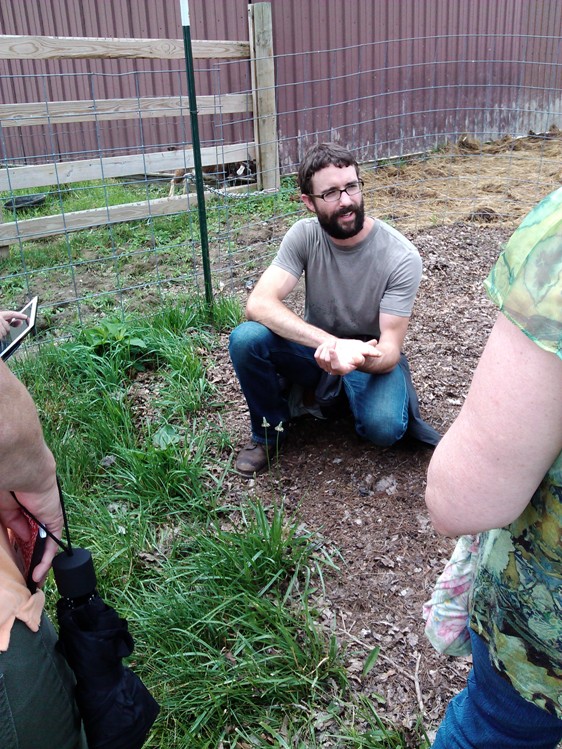
Greg teaches us about plantain and its many uses

Greg teaches us about plantain and its many uses

Plaintain, for example, is good for eczema, wounds, and other skin issues, while its seeds are a “poor man’s psyllium.” I doubt I have the patience to collect its seeds, but I like the idea of whipping up a bunch of leaves in the blender with olive oil to make an infusion. I have some off-and-on rashy stuff on my hands, so I might try that.

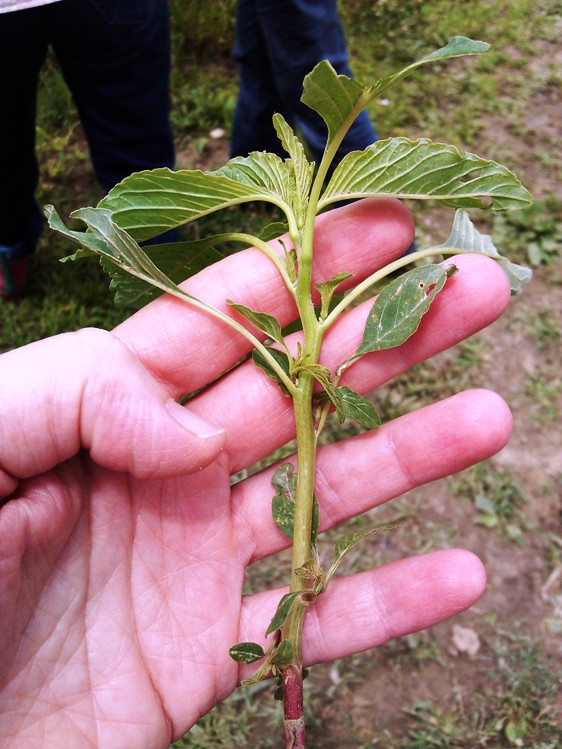
Amaranth, drought-tolerant and tasty

Amaranth, drought-tolerant and tasty

More tasty than the bitter plantain is amaranth. It is an amazingly hardy summer salad green as well as a source of protein-rich “grain” (actually the seeds).

I’ve never collected the seeds, but I adore amaranth as a green. My partner was introduced to it in Tanzania years ago. There it was called red root and sauteed in a dish called Sukuma Weeki.

When the drought hit us last year, amaranth didn’t even notice. So this year I bought amaranth seeds to plant for a steady and convenient supply. As soon as my lettuce is done–any day now–I’m sowing amaranth in preparation for a dryer, hotter July and August. I can almost taste that late summer salad of amaranth and purslane, a heat-loving succulent high in omega-3 fatty acids. Most people pull both as a weed.

Greg, by the way, says weeds are a state of mind. Many of the things we consider noxious weeds were actually brought here because of their usefulness. Now they populate areas where the soil has been disturbed, working as “succession plants” that naturally build soil fertility.

Knotweed, AKA smartweed

Knotweed, AKA smartweed

Here’s knotweed, for example, also known as smartweed. I remember seeing this pretty little bloom in my dad’s raspberry patch and wondering what it was. I learned today that it is in the buckwheat family. Its leaves and seeds are edible and loaded with resveratrol, a potent antioxidant.

And did you know that you can harvest the seeds of the ubiquitous clover and save them in a jar, for indoor sprouting at some later, leaner date? It’s mind-boggling to realize there is free food all around us, even in the city, that could potentially nourish us in good times and bad.

I’ve learned so much from Greg, starting when I interviewed him for an Edible Indy story on gathering wild foods. Though I’m not nearly as experienced as he is, next Friday, July 5, I’ll have a table on foraging at FoodCon IV, a fabulous event that attracts a thousand or more people every year. I’m beyond excited to be part of it.

On Being Rooted

A summer memory: The question my dad asked me when he got home from work, if it had rained earlier in the day. “Did it rain hard enough to get wet under the trees?”

Always, the answer was a shrug. I didn’t have much patience for Dad’s concerns. Watering wilty plants, pulling weeds, noticing—those were his purview, not mine.

Now I find myself checking, whenever it rains, whether the earth is wet under the trees.

ChivesAnd when I come home from a week away, my eye is immediately drawn to what’s changed in the landscape. “Oh, the daylilies are blooming,” I might be heard to say, slowing to see orange blossoms in a neighbor’s flower bed. It’s the kind of comment that would have made roll my eyes in my youth.

It is different as an adult, living in one place for a long time. You come to feel an ownership not just of your yard but your entire street, the tree canopy above the neighborhood, the pavement, the dirt itself. Even if you don’t know all your neighbors, you smile at the faces you know, and regard warily those you don’t. You want the best for your little corner, so you pick up litter and throw it in the nearest receptacle, you pick up after your dog, you try to keep the storm drains free of debris.

At least that’s how it is with me and my neighborhood.

And my partner and I love where we live. We don’t plan to leave; we’ve settled in more and more each year. It’s true our yard has its limitations: We can’t keep ducks. We have only so much sunlight for our garden beds. We have no room to try hugelkultur.

But over the years, the source of our sustenance has expanded to include the broader community.

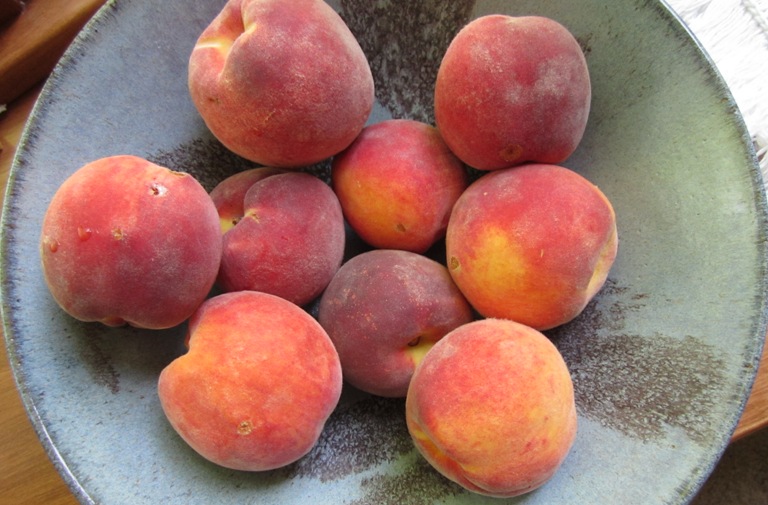
PeachesI buy eggs each week from a chicken-keeping neighbor, who also shares fruit from her orchard. Last year we tended a community garden, and this year we’re experimenting with straw bale gardening on a friend’s property. And one of my favorite activities is to forage for food along my street. I bring home salad greens and berries by the bucketful. (“Nature’s candy,” I hear my Dad’s voice saying, and sometimes say myself, gobbling mulberries.)

There’s a lovely rootedness to this life. I guess it’s possible to live for years in one place and never meet the neighbors, never put a hand into the soil, never sit outside. People drive into an attached garage and disappear into a house that serves as…what? a haven for the inner circle? a locus of entertainment? a fortress against the world?

That seems so sad to me, a kind of disembodiment—though I too appreciate a haven, crave entertainment, and need security. But to live only inside the house sounds like a terribly constrained existence, no matter what kind of diverting electronics are humming within its walls.

Dad used to spend every long summer evening outdoors puttering. It was a mystery what he did out there. As an adult I understand. He was tending, noticing, relating. Getting rooted.

Where We Rarely Dwell

In my quest to be an engaged citizen, urban homesteader, radical homemaker, contributor to household coffers, writer, etc., I can get trapped in a life of busyness. I have so many goals. My days are full of checking the clock as I push myself to be more productive, to mark things off my  lists. (Yes, I have more than one list.)

One week before I fell ill, I was advised to take some unscheduled time every week. I never got the chance to try this radical experiment—because soon I was pretty much glued to the couch, in a haze of pain and exhaustion, just trying to get through my days. And even then, chafing at all that was left undone.

My cat Maggie enjoyed the couch time immensely.

My cat Maggie enjoyed the couch time immensely.

This is a typical pattern for me—I have to be forced to slow down. I suspect it’s not uncommon in our hyperproductive Western culture, this need to be sick or injured before we grant ourselves rest.

So when I listened to intuitive Lee Harris‘s monthly energy forecast this week, and heard him talk about slowing down, I had to laugh—it was so on-target. He said we must stop rushing about and go inside the body, where we rarely dwell. We’re so stimulated all the time that we don’t really know our inner selves.

And that’s a loss.

I like to think I’m fairly good at this: after all, I’ve studied mindfulness meditation! I practice yoga! I’ve done all kinds of personal healing! Yet, the fast track always, always hooks me, and I give short shrift to my dreamy, drifty side—until I have no other choice.

Harris says, “The ‘driving masculine’ side is not what we are needing as a world anymore. We have been hearing this for years, but it’s hard for us to change the program.”

I guess that’s why it takes enforced couch time before I can stop being so terribly driven.

Recently on a Transition US call about creating new stories, one of the panelists said something powerful: That we get tripped up if we try to remake the world in the context of an old, outdated story—meaning looking through the lens of competition, judgment, conflict, scarcity, and domination.

I’m reminded of the wisdom feminist poet Audre Lorde offered years ago: “The master’s tools will never dismantle the master’s house.” She was referring to racism and homophobia in the women’s movement, but it applies here too. How can we transcend the dominant culture’s destructiveness if we’re working from that old script—if we are subjugating our inner knowing (available only in stillness) to this constant striving and acting?
Stillness

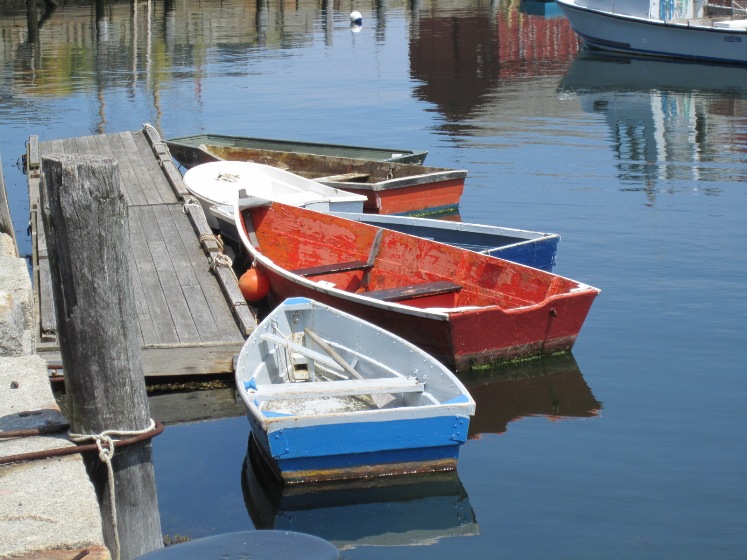
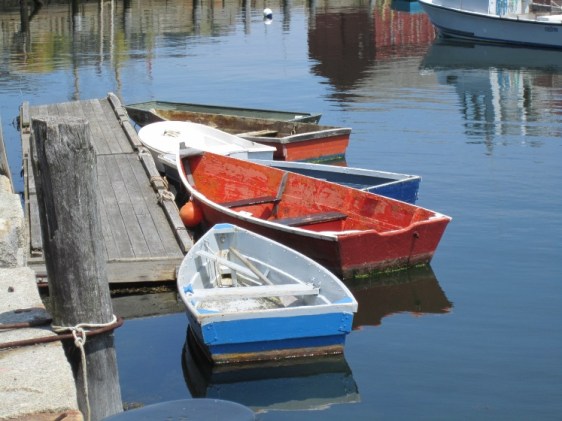
Stillness

How, though—this is always my dilemma—how do I get important work done without this driven side of myself? Is there a new way of being that allows both the focus to finish (so satisfying: to finish!) and the freedom to swim about, aimlessly dreaming?

Perhaps, instead of a driver archetype, I could assume the gardener archetype. Cultivate change instead of push it. Would that work? What do you think?
Their Courage Becomes our Courage

As I mentioned in a previous post, I recently devoured Frances Moore Lappe’s brilliant new book EcoMind. I now have a clearer sense of the risk people are taking when they first begin to step off Status Quo Railways and change the way they live.

It’s deeply ingrained in each of us as humans to to look and act like everyone else in our tribe. This has been a matter of survival since Day One of our species: Stay with the pack, or perish!

No wonder so many are hesitant to follow a different drumbeat than the dominant culture’s. Lappe cites experiments showing that subjects went along with the wider group’s opinion–even when it went against what they could see with their own eyes.

It can be quite powerful to join a movement, but what if the movement looks fringy and wrong to the people closest to us? It’s a big risk.

That’s where the power of relationship comes in.

Because those same experiments showed that “all it took was one truth-teller to enable people to be true to themselves.”

“Knowing this,” Lappe writes, “we can choose to seek out those who share our passion, those who encourage us to risk for what we believe in.”

In fact, there are neurological changes that take place when we observe others’ actions. “Mirror neurons” in our brains start firing–as if we ourselves were taking those same actions!

In this way the courage of others becomes our courage.

I have had several such exemplars in my life, people who showed me what it means to live a life of passion and integrity, with the lightest of footprints. Here is a photo of one of them, Keith Johnson of Renaissance Farm.

Keith Johnson, sharing the beauty and abundance of Renaissance Farm

Keith Johnson, sharing the beauty and abundance of Renaissance Farm

Keith and his partner Peter Bane (who gave me my introduction to Permaculture) model a generous, resourceful, earth-sustaining way of life. It’s a way of life that will be ever more essential as we face the uncertainties of the future.

The photo above was taken in May when a friend and I drove down to Bloomington for Renaissance Farm’s plant sale. Though it was raining, Keith delighted in showing us the glories of spring on the suburban farmstead. The unveiling of a fig tree was particularly thrilling. As I recall, Keith insisted we take some of his surplus bok choy harvest, and when I swooned over the taste of chocolate mint, he pulled a clump right out of the ground and gave it to me to plant at home.

People like Peter and Keith give us all more faith in our own ability to heal the earth, to live in such abundance that we just have to share.

They offer me (and others like me) the assurance that Deepak Chopra talks about in this quote:

The famous adage is wrong: The journey of a thousand miles doesn’t begin with the first step. It begins with the assurance that you can take the first step.